Constellations and planets in your sky right now, and the solar system live
Wondering where the constellations, stars and planets are tonight? A live sky map for your location, plus a real-time solar-system orbit simulator.
Tonight's sky
Tonight's sky from your location and the solar system in motion — planets, comets and probes on real orbits, eclipses replayed to the minute. Plus every scale from a proton to the universe, at true ratio
Latest from the blog
All posts → [Planet watching] 2026–2027 Mercury and Venus observing calendar — when and where to look Mercury and Venus dates for late 2026 to mid-2027 in UTC — Venus's switch to the morning sky, five Mercury chances, and which ones favour each hemisphere. · 6 min
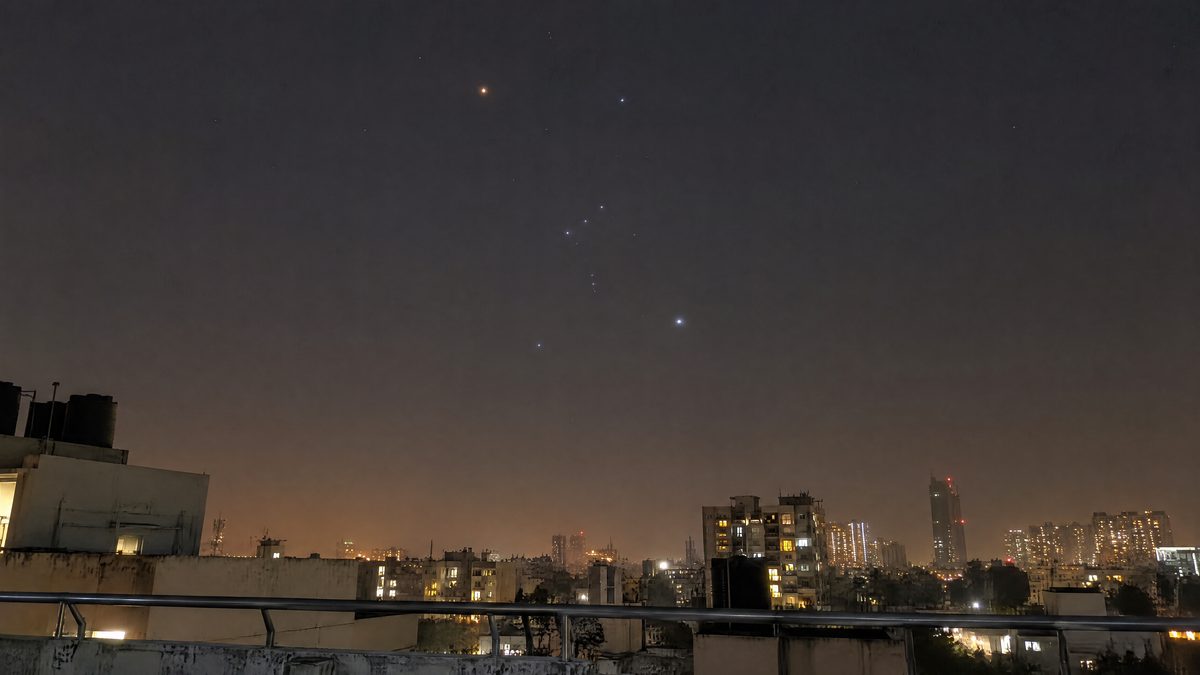 [Stargazing] How to find constellations from a light-polluted city — a first-night plan How to find constellations from a light-polluted city: which stars survive the glow, using bright stars, planets and the Moon as anchors, and a first-night plan. · 7 min
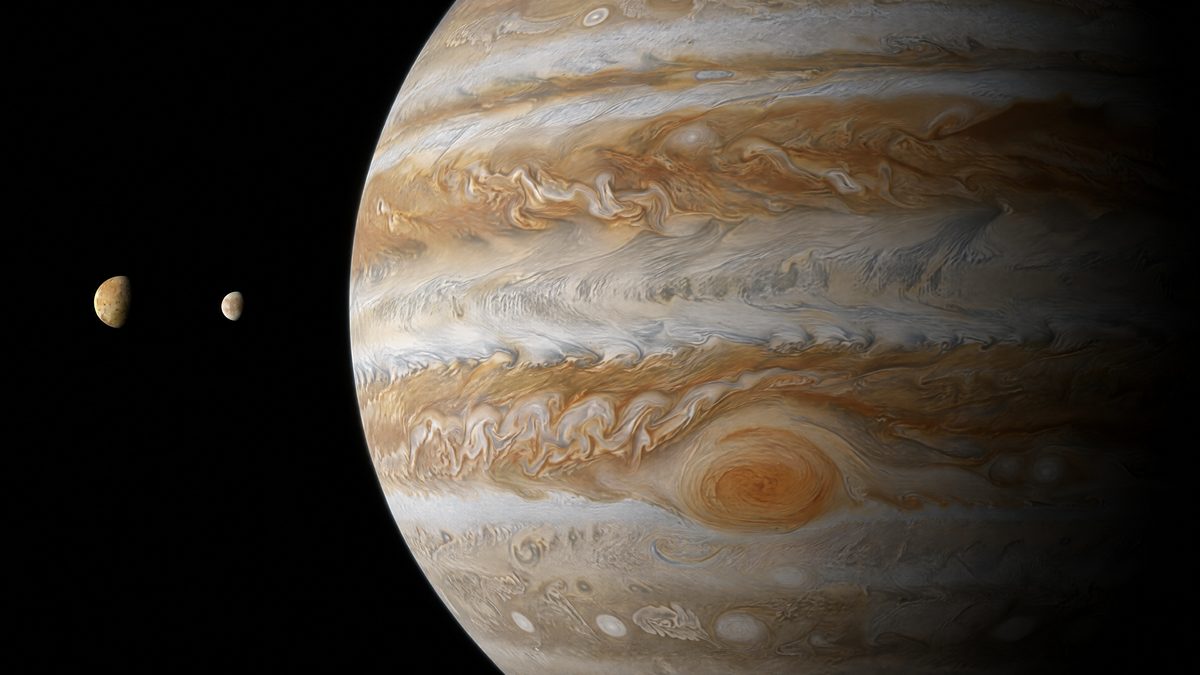 [Planet watching] Jupiter observing for beginners — naked eye, binoculars and a small telescope A beginner's guide to Jupiter observing — finding it by eye, spotting the Galilean moons in binoculars, and the best months around the February 2027 opposition. · 6 min
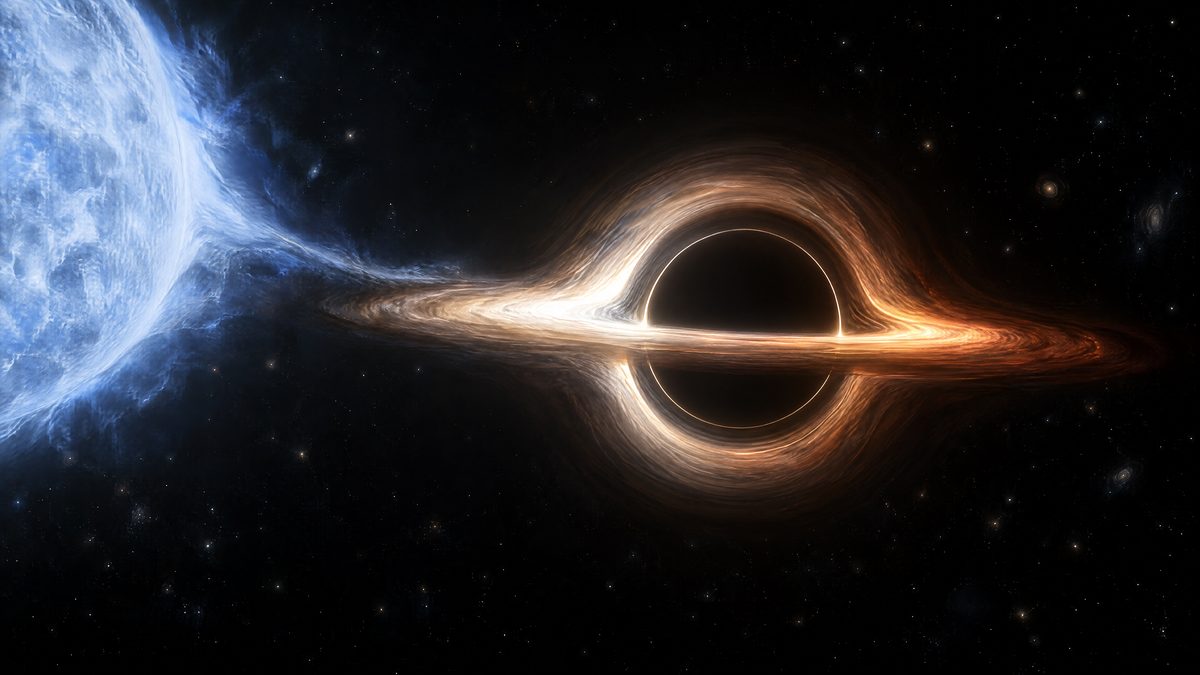 [Space facts] Types of black holes, explained — from stellar-mass to supermassive The types of black holes explained — stellar-mass, intermediate, supermassive — with Cygnus X-1 and Sagittarius A*, how we find them, and neutron stars. · 6 min
What NowSky is
NowSky is a free astronomy simulator and reading site that redraws the sky above you from real astronomical data. Star and planet positions come from star catalogues and orbital elements, and events such as eclipses and spacecraft flybys replay exactly as they happen. The 253 object pages and 101 sky-news articles are checked for figures, dates and sources before they go up.
- 1. Open your skyTap “See my sky now” to see the constellations and planets above your location right now. Change the place by tapping the city name at top left.
- 2. Drag, tap, rewindDrag to look around and tap any object for its name, distance and a short explanation. The playback buttons below wind time forward or back so you can watch the Moon and planets move.
- 3. Read and shareRead more about any object in the guide, and about upcoming eclipses and missions in Sky news. Whatever you are looking at can be shared as a single link.
🎂 The sky on your birthday
Enter a date of birth and see the constellations, planets and moon phase of that exact night — shareable as a single link.
See my sky →Upcoming sky events
All events →MMX launch — Martian moon sample return
JAXA's Martian Moons eXploration (MMX) is scheduled to launch on an H3 r…
BepiColombo enters Mercury orbit
After eight years and nine flybys, the European–Japanese spacecraft Bepi…
Europa Clipper Earth flyby
Europa Clipper, the largest planetary spacecraft NASA has built, is set …
Great total eclipse — 6 minutes over Egypt
On 2 August 2027 a total solar eclipse is due to cross southern Spain, N…
Today's picks
Update log →Latest update · — A new blog — observing notes and stories about the sky, one post a day (in Korean first)
Object guide
All objects →Guides
All guides →- How do you start stargazing with just your eyes?
- How do you find Polaris and true north in the night sky?
- How do you read tonight's sky with the NowSky Sky view?
- Why does the Moon change phase, and when is it best to observe?
- Is that bright point a planet or a star? How to tell them apart
- How does the magnitude scale measure star brightness?
Explore
Pick by what you want to see🔭 Sky & Solar System
Your sky now, the live solar system and the 3-D neighbourhood of the Sun — pick a time, place and body, and share it as one link
Sky view
The real sky from your location — constellations, planets, satellites, even eclipses. Tap a star for its name, distance and story
“Where is Saturn right now?”Open →Orbits
The solar system in real time — pick a planet down to its moons, replay probe trajectories and events
“When does Halley return?”Open →Nearby stars in 3-D
Our stellar neighbourhood in true 3-D — rotate it, zoom out to the Milky Way and Andromeda
“Which way is the nearest star?”Open →Distances
From the Sun to the Oort cloud at true scale
“How far has Voyager gone?”Open →📏 Scale lab
Size, mass, speed and atoms on one ruler — from a proton to the observable universe
Size & mass ladder
One ladder from 10⁻¹⁵ m to 10²⁷ m — compare by mass too
“How small is Earth next to the Sun?”Open →Speeds
From a snail to light on one ruler
“How much faster is light than a bullet?”Open →Atoms
From protons to molecules — the invisible world to scale
“How empty is an atom?”Open →Frequently asked questions
- Is NowSky free? Do I need an account?
- The sky view, orbit view, 3D star map, object guide, sky news and guides are free to use with no account. There is nothing to install — open the address in a browser and it runs.
- How does it know my location, and is it stored?
- If you allow location access, the sky is computed from the coordinates your browser provides, and those coordinates are never sent to our server. Without permission it picks an approximate city from your connection or device time zone, and you can change it any time by tapping the city name at top left.
- How accurate are the star and planet positions?
- Stars use catalogue coordinates (the HYG database), planets use orbital elements and the Moon uses a standard lunar series accurate to about 10 arcseconds — more than enough for naked-eye observing. We separately test that eclipse maxima land within 2 minutes of published times and that spacecraft positions match NASA HORIZONS.
- Does it work on a phone?
- Yes. Drag with one finger to look around and pinch to zoom. On phones with motion sensors, the compass button shows the part of the sky the phone is pointing at.
- Can I watch past or future eclipses?
- Pick an eclipse, lunar eclipse or spacecraft event from the events list and the view jumps to that date and place and replays the moment. Every Sky news article also links to the same scene.
- How do I show someone what I am looking at?
- As you use a simulator, the address in your browser bar updates with it. The time, observing place and selected object are stored in that address, so copying and sending it lets someone else open the same view.
- Who writes the articles?
- The NowSky team drafts each piece and its structure, AI tools help polish wording and layout, and an editor checks every figure, date and source before it goes up. If you spot an error, tell us through the contact page; corrections are listed in the update log.
- Is it useful without a telescope?
- Yes. The sky view is drawn for what the naked eye can see, so you can check what is up tonight and in which direction before you step outside. If you are new to this, the “stargazing basics” guide is a good place to start.